
Learn About Lupus

Understanding this autoimmune disease can save lives

What is Lupus?

What is Lupus - An autoimmune disease where the body attacks itself

An Autoimmune Disease

Lupus is a chronic autoimmune disease where the immune system becomes hyperactive and attacks normal, healthy tissue. This results in symptoms such as inflammation, swelling, and damage to joints, skin, kidneys, blood, the heart, and lungs.

5 Million+
People worldwide have lupus

90%
Of cases occur in women

15-45 years
Most common age of onset
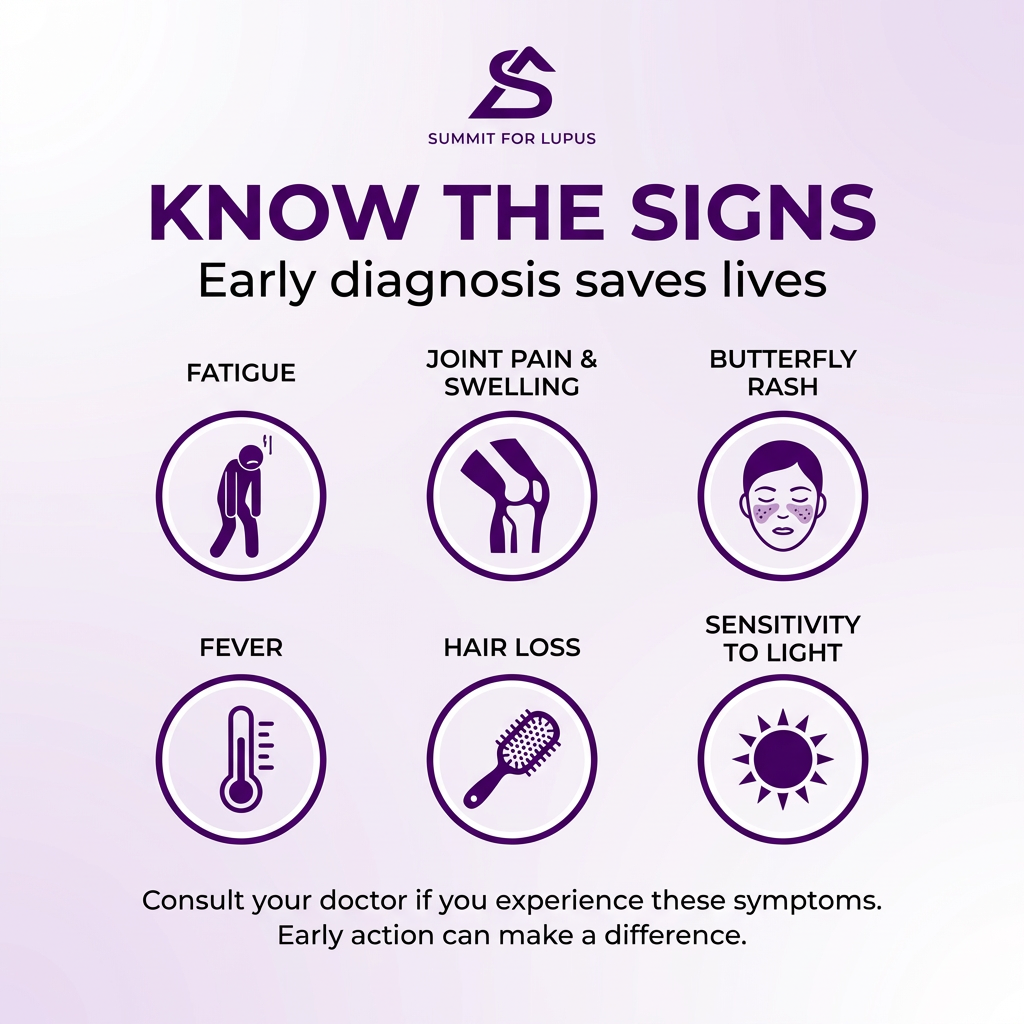
Know the Signs

Early diagnosis saves lives. Recognizing these symptoms can lead to earlier treatment and better outcomes.

Know the Signs of Lupus - Early diagnosis saves lives

Extreme Fatigue

Overwhelming tiredness that doesn't improve with rest. One of the most common and debilitating symptoms of lupus.

Joint Pain & Swelling

Pain, stiffness, and swelling in joints, especially in the hands, wrists, and knees. Often mistaken for arthritis.

Butterfly Rash

A distinctive rash across the cheeks and nose bridge that resembles a butterfly. One of the hallmark signs of lupus.

Fever

Unexplained low-grade fevers, often one of the first symptoms people notice before diagnosis.

Hair Loss

Thinning hair or hair loss, which can be patchy or widespread depending on disease activity.

Sensitivity to Light

Photosensitivity - rashes or other symptoms triggered by exposure to sunlight or UV light.

Types of Lupus

Systemic Lupus Erythematosus (SLE)

The most common and serious form, affecting multiple organs including skin, joints, kidneys, brain, heart, and lungs.

Cutaneous Lupus

Primarily affects the skin, causing rashes and lesions. Can occur with or without systemic involvement.

Drug-Induced Lupus

Caused by certain medications. Symptoms usually resolve after stopping the medication.

Neonatal Lupus

A rare condition affecting newborns of mothers with certain antibodies. Usually temporary.

Diagnosis & Treatment

How Lupus is Diagnosed

  • Medical history and physical examination
  • Blood tests (ANA, anti-DNA antibodies)
  • Urine tests to check kidney function
  • Imaging tests (X-rays, echocardiograms)
  • Tissue biopsies when needed

Note: There is no single test for lupus. Diagnosis requires a combination of symptoms, physical findings, and laboratory tests.

Treatment Options

  • Anti-inflammatory medications (NSAIDs)
  • Antimalarial drugs (hydroxychloroquine)
  • Corticosteroids to reduce inflammation
  • Immunosuppressants
  • Biologics for severe cases

Important: Treatment plans are individualized based on symptoms and organ involvement. Regular monitoring is essential.

Living Well with Lupus

While there is no cure for lupus, many people with the disease can lead full, active lives with proper management.

Stay Active

Regular, gentle exercise helps maintain flexibility and reduces fatigue.

Eat Healthy

A balanced diet supports overall health and may help reduce inflammation.

Get Enough Rest

Quality sleep and rest are crucial for managing fatigue and flares.

Protect from Sun

Use sunscreen and protective clothing to prevent photosensitivity reactions.

Regular Check-ups

Stay in close contact with your healthcare team and attend all appointments.

Build Support

Connect with support groups and loved ones who understand your journey.

Take Action Today

If you or someone you know is experiencing symptoms of lupus, consult a doctor immediately. Early diagnosis and treatment can make a significant difference in managing the disease.